
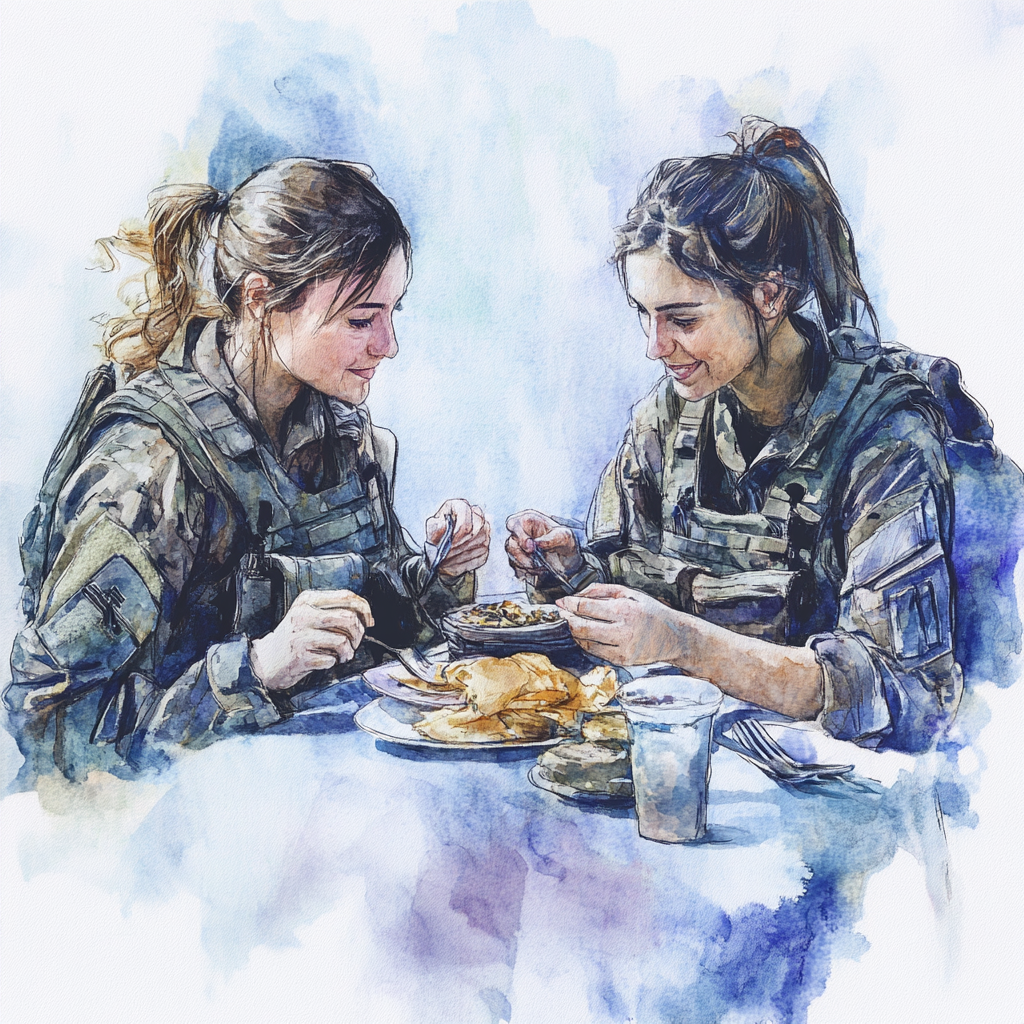
Women Soldiers and the Hidden Impact of Ceasefire
A ceasefire can feel like an exhale after months of holding your breath. For women soldiers in combat roles, that exhale carries relief—yet it can also bring a complicated set of psychological, physical, and social effects that don’t always match the public image of “peace returning.” When active fighting pauses, the battlefield changes shape, but the demands on soldiers often remain intense, and the transition can be especially layered for women navigating both the realities of combat and the realities of gendered expectations inside and outside the unit.
One of the first effects is a shift in stress physiology. In active combat, the body adapts to constant vigilance: adrenaline surges, sleep becomes fragmented, and the nervous system learns to stay “on” even during short lulls. A ceasefire interrupts that tempo. For some women soldiers, this brings immediate benefits—longer stretches of sleep, fewer blasts and alarms, a reduction in acute fear. But for others, the quiet can be unsettling. When the threat becomes less visible, the mind can begin replaying what it previously had to suppress to keep functioning: close calls, loss of comrades, moral injuries, or moments of helplessness. The result can be delayed anxiety, irritability, nightmares, or emotional numbness that surfaces precisely when everyone expects relief.
Operationally, ceasefires often replace kinetic danger with ambiguous risk. Patrols, checkpoints, and monitoring duties can increase; rules of engagement become more restrictive; and the fear of a breach can heighten tension. This can create a “waiting stress” that is psychologically corrosive—long hours of readiness with fewer clear actions to discharge that energy. Women soldiers may feel the strain of constantly proving competence in these high-stakes, highly visible tasks, particularly if scrutiny intensifies during ceasefire periods when leaders and peers have more bandwidth to observe performance and discipline.
A ceasefire can also amplify interpersonal dynamics within units. In combat, roles can be sharply defined and cohesion can be forged through necessity. When fighting pauses, unresolved frictions may rise: leadership disputes, exhaustion-related conflicts, or subtle patterns of exclusion. For women in mixed-gender combat units, this period can bring both opportunity and risk. On one hand, there may be more time for mentoring, skills training, and relationship-building that strengthens belonging. On the other, the “less urgent” environment can make room for old biases to reassert themselves—offhand comments, doubts about physical capability, or the expectation that women will take on emotional labor to stabilize the group. If harassment or microaggressions have been tolerated during combat out of “bigger priorities,” ceasefire time can be a critical moment to address them—or a moment when they worsen.
Physically, ceasefire conditions may allow for medical attention that was delayed. Women soldiers might finally treat injuries, manage chronic pain, address hormonal disruptions caused by sustained stress, or recover from malnutrition and sleep deprivation. Yet care can be uneven. In some settings, women still face barriers to reporting injuries or accessing gender-responsive medical support, especially if they fear being viewed as less “combat-ready.” The ceasefire can therefore be a turning point: either a gateway to recovery or a missed window that deepens long-term health impacts.
The ceasefire’s social effect can be just as complex. Messages from home often surge—family relief, public gratitude, or political debate. Women soldiers may experience a double bind: praised as symbols of resilience yet questioned in their legitimacy as combatants. The pause in fighting can spotlight them in media and community narratives, sometimes with admiration, sometimes with skepticism. This visibility can be empowering, but it can also feel invasive, especially when soldiers are privately processing grief or shock.
Ultimately, a ceasefire is not simply an off-switch for the consequences of war. For women soldiers in combat, it can be a moment of recovery, reflection, and renewed connection—while simultaneously reopening stress responses, sharpening uncertainty, and exposing interpersonal fault lines. The healthiest ceasefire periods are those that pair operational readiness with structured decompression: confidential mental health support, strong leadership that enforces respect, access to medical care, and space for soldiers—women included—to be seen not as symbols, but as human beings recalibrating after sustained threat.
