
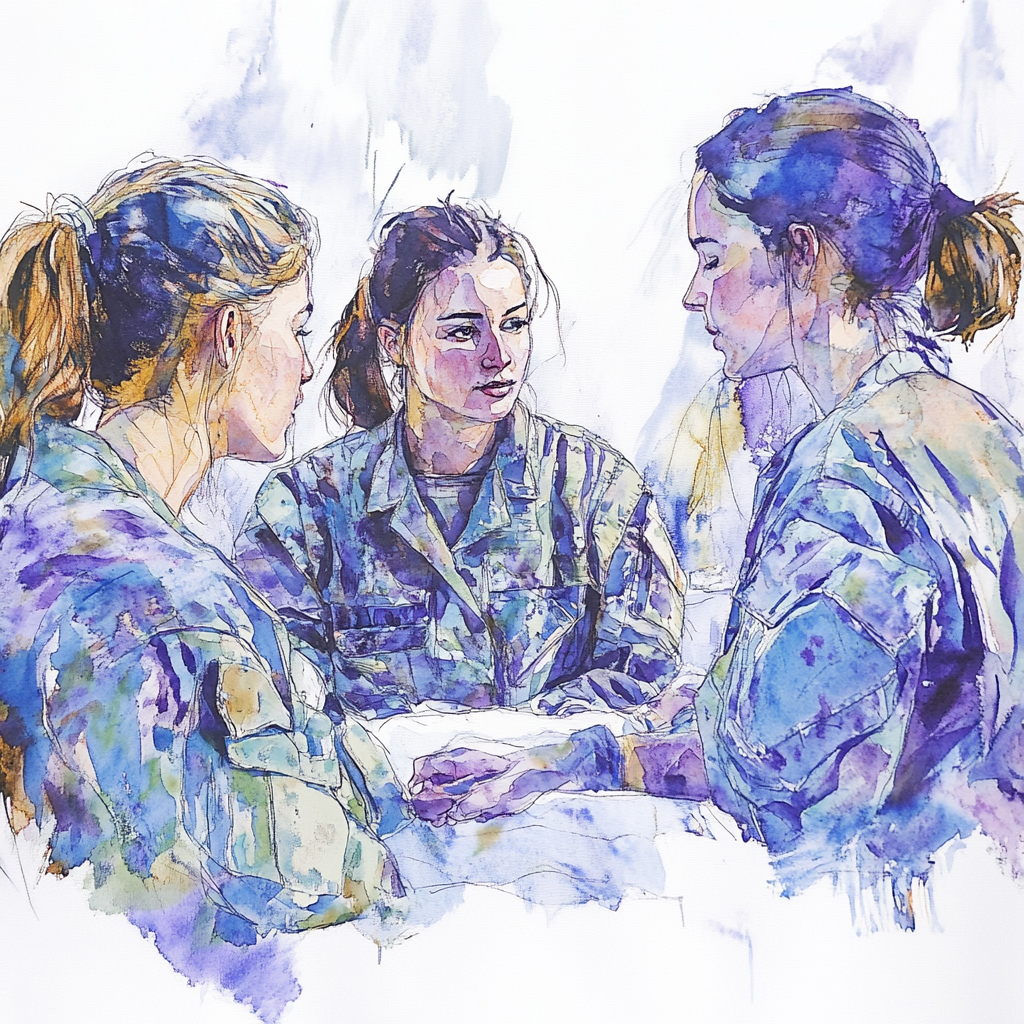
Strength Under Fire: Struggles of Women in Combat Zones
For centuries, the idea of women serving in combat was dismissed, debated, or restricted by policy. Today, however, women serve on the frontlines of modern militaries across the world, often shoulder to shoulder with their male counterparts. Their contributions are invaluable, but their experiences highlight unique physical and psychological challenges that demand greater recognition and tailored support. Understanding these challenges is essential not only for military institutions seeking readiness and effectiveness but also for the broader society that depends on its armed forces.
One of the most prominent issues is the physical strain placed on women’s bodies in combat settings. While men and women are equally capable of determination, resilience, and tactical skill, biological differences can affect how women endure the extreme physical demands of military operations. Studies have shown that women are at higher risk for musculoskeletal injuries, particularly in areas like the hips, knees, and lower back, due to differences in bone density, body composition, and joint structure. Carrying heavy loads of gear—often exceeding 70 pounds—over rugged terrain can lead to stress fractures and long-term orthopedic damage. These injuries are not a reflection of weakness but rather of how military equipment and training regimens are often designed with the average male body in mind. Without adaptive training methods or redesigned equipment, women may face a disproportionate risk of physical injury.
Beyond musculoskeletal concerns, women in combat must navigate reproductive health challenges that have long been overlooked in military planning. Deployment in austere environments makes access to basic gynecological care or menstrual hygiene products inconsistent, complicating day-to-day functionality. Hormonal changes under intense stress can also affect stamina and recovery. Female soldiers have reported that these health issues are often stigmatized or ignored, forcing them to push through difficulties silently. Addressing reproductive health openly and systematically remains a critical gap in ensuring women’s long-term well-being and readiness.
The psychological challenges faced by women in combat can be even more complex. Combat is inherently traumatizing, exposing soldiers to life-threatening danger, moral dilemmas, and the devastating loss of comrades. Both men and women can experience post-traumatic stress disorder (PTSD), depression, or anxiety, but women often process these traumas differently. Research indicates that women may experience higher rates of PTSD after combat exposure. This is not necessarily because women are more vulnerable but because of a combination of biological, psychological, and social factors. Hormonal fluctuations and neurological responses to stress may influence how trauma embeds itself, while cultural stigmas about gender roles can intensify feelings of isolation or self-doubt when women return from war.
Another layer of psychological challenge is the persistent threat of gender-based harassment and discrimination. Despite progress in policies, many women soldiers report experiences of sexual harassment, assault, or systemic bias within the military. These experiences compound the already heavy mental toll of combat. A woman soldier may face not only the terror of enemy fire but also the stress of navigating an environment where her competence is questioned or where she feels unsafe among peers. This dual burden—fighting both external enemies and internal injustices—creates a unique strain on women’s mental health. Addressing this requires more than individual resilience; it requires structural change and accountability within military institutions.
Family dynamics add another dimension to these challenges. Women in combat often balance dual identities as soldiers and caregivers. For mothers, the emotional weight of leaving children behind during deployment can be immense. The guilt of absence, combined with fear for one’s own survival, can create a psychological tug-of-war that men may also experience but that is often magnified by societal expectations of women as primary nurturers. Reintegration after deployment can be especially difficult, as women may face pressures to immediately resume caregiving roles while still processing their combat experiences.
Despite these significant challenges, women in combat consistently demonstrate extraordinary resilience and adaptability. Their service has not only expanded the capabilities of modern militaries but also highlighted the urgent need for more inclusive policies and support systems. Redesigning equipment to accommodate a wider range of body types, offering gender-specific healthcare, and creating trauma-informed mental health programs are practical steps that can reduce the disparities women face. Equally important is fostering a culture of respect and equality within the armed forces, where women’s presence is not treated as an exception but as an integral part of the team.
The conversation about women in combat is not simply about fairness or representation; it is about recognizing reality. Women are already there, serving, fighting, and sacrificing. By acknowledging and addressing the unique physical and psychological challenges they face, societies honor that service and ensure that women soldiers can thrive rather than merely endure. In doing so, the military becomes not only stronger but also more reflective of the diverse populations it exists to protect.
Ultimately, the challenges women face in combat should not be seen as obstacles to their participation but as opportunities to rethink outdated systems. Every injury, every overlooked health concern, every untreated trauma represents a chance to improve not only women’s experiences but the overall effectiveness and humanity of the military. By embracing these lessons, we not only safeguard the well-being of women soldiers but also uphold the values of justice, equity, and shared responsibility at the heart of any nation’s defense.
