
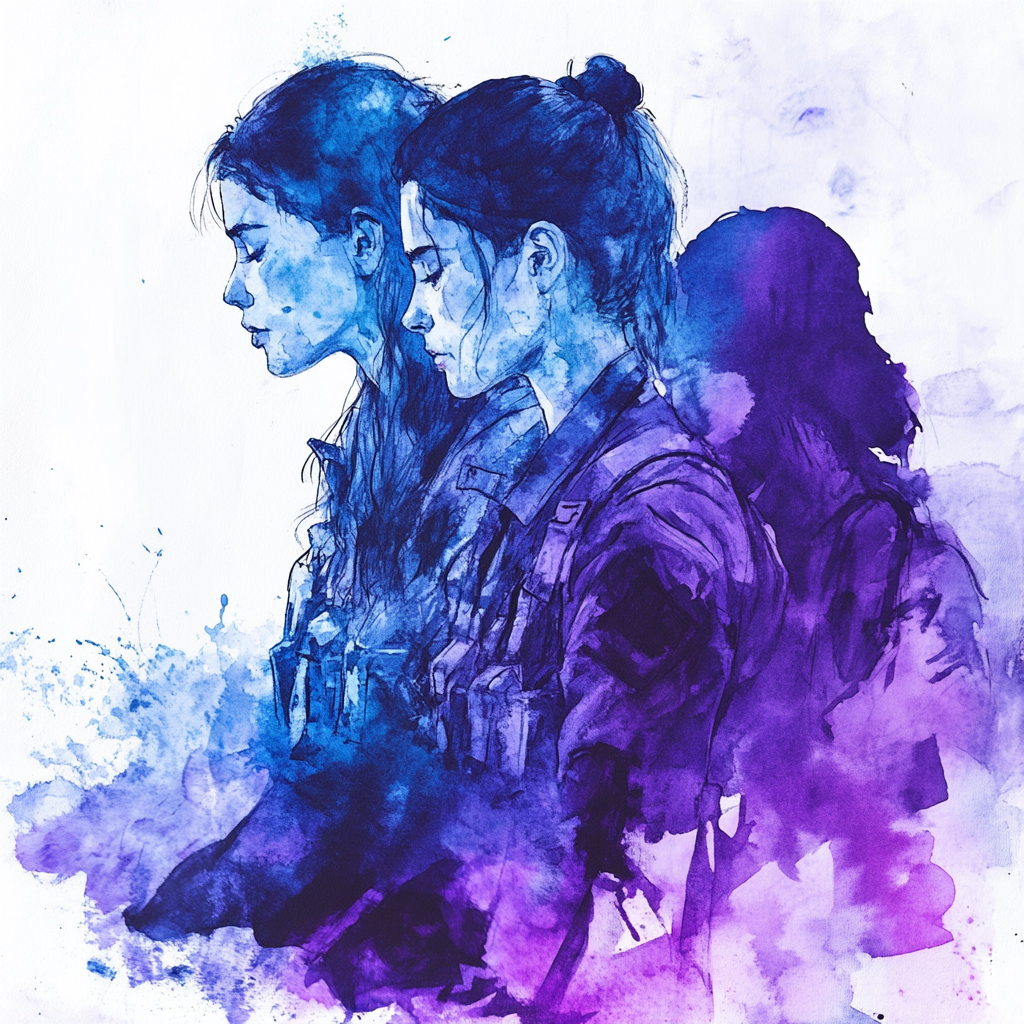
PTSD Affects Women Soldiers Differently
How Targeted Remedies and Community Support Can Help
Post-traumatic stress disorder (PTSD) is a debilitating mental health condition that can develop after experiencing or witnessing a traumatic event. For military personnel, the trauma of war, combat, or dangerous missions can leave lasting emotional scars. While both men and women in the military are susceptible to PTSD, women soldiers often face unique challenges that shape the nature of their trauma and influence the path to healing. Understanding these differences is essential not only for healthcare providers but also for communities that support veterans during and after their service. Remedies must be both clinically sound and community-driven to provide long-term healing and reintegration for women veterans.
Many women in uniform experience gender-based discrimination, isolation, and the pressure to constantly prove their worth in male-dominated environments. These stressors can erode self-esteem and create chronic psychological tension. Furthermore, women may feel a lack of solidarity among peers, as they often make up a small minority in their units. The absence of camaraderie and the fear of not being believed or supported if they report abuse can lead women to internalize their trauma, suppress symptoms, and delay seeking help.
Another aspect that distinguishes women’s experiences with PTSD is how symptoms manifest. Research indicates that women are more likely to experience internalizing symptoms, such as depression, anxiety, emotional numbing, and avoidance behaviors. In contrast, men are more likely to display externalizing symptoms like anger or reckless behavior. Because women’s symptoms can be more subtle, they are sometimes misdiagnosed with generalized anxiety or depression, rather than PTSD. This misdiagnosis can delay appropriate treatment and prolong suffering.
The road to recovery for women soldiers with PTSD is multifaceted. First and foremost, trauma-informed care is crucial. This therapeutic approach acknowledges the pervasive impact of trauma and ensures that patients are treated with dignity, compassion, and sensitivity. Providers trained in trauma-informed care recognize the signs of trauma and create a safe, supportive environment where women feel empowered to share their stories. It is particularly helpful in cases of MST, where trust has been broken and rebuilding it is a vital part of healing.
Cognitive Processing Therapy (CPT) and Prolonged Exposure Therapy (PE) are two evidence-based treatments proven effective for PTSD. These therapies help individuals reframe negative thought patterns and confront traumatic memories in a structured and supportive setting. For women, receiving these treatments from therapists who understand the unique challenges faced by female veterans—especially related to sexual trauma and gender dynamics—can significantly enhance outcomes. Women-only therapy groups also provide a safe space for shared experiences, offering connection and mutual support that is often missing in co-ed treatment programs.
In addition to traditional therapies, holistic and lifestyle-based remedies are gaining recognition for their role in healing PTSD. Mindfulness practices such as yoga, meditation, and breathwork can help regulate the nervous system, reduce hypervigilance, and improve emotional resilience. Physical activity, whether it’s hiking, dance, or structured exercise, not only releases endorphins but also rebuilds confidence and a sense of agency. Creative arts therapy, including music, writing, and painting, offers alternative ways to process trauma and express difficult emotions.
However, healing from PTSD doesn’t happen in a vacuum. For many women veterans, especially those transitioning back into civilian life, community-based support can make all the difference. Too often, the societal narrative focuses on male veterans, leaving women feeling invisible or misunderstood. Communities have a vital role to play in ensuring that women veterans are seen, supported, and offered opportunities to heal and thrive.
One of the most effective community interventions is the creation of peer-led support groups for women veterans. These groups provide a sense of belonging, reduce isolation, and allow women to share their experiences without judgment. Facilitators should be trained in trauma-informed approaches, and the environment should prioritize safety, confidentiality, and empowerment. These groups can be hosted by community centers, places of worship, or veteran-focused nonprofits, and can serve as entry points for accessing additional resources like therapy, housing support, or employment services.
Communities can also organize wellness programs tailored specifically for women veterans, including yoga classes, art therapy workshops, outdoor retreats, and journaling circles. These activities not only help women develop coping mechanisms but also foster social bonds and reduce the loneliness that often accompanies PTSD. By partnering with local wellness practitioners, veteran service organizations can provide consistent programming that enhances physical and emotional health.
Another key remedy lies in providing safe and affordable housing options for women veterans. PTSD can be exacerbated by unstable or unsafe living conditions, especially for women with children or those escaping abusive relationships. Transitional housing that offers on-site counseling, job training, and child care can help women get back on their feet while recovering from trauma.
Employment and educational programs are also essential components of recovery. PTSD can impact self-confidence and cognitive function, making the return to work or school feel overwhelming. Communities can help by offering flexible job training, resume workshops, and mentorship programs geared toward women veterans. Employers should be educated about PTSD and encouraged to create supportive, stigma-free environments that accommodate mental health needs.
Public awareness campaigns can further reduce stigma and foster understanding. Hosting community forums, film screenings, or speaker events featuring women veterans can educate the public about their experiences and challenges. These initiatives not only build empathy but also normalize the conversation around PTSD and mental health. When communities understand what PTSD looks like in women and how they can help, they become active participants in the healing process.
Spiritual communities, too, can offer solace and strength. Many women veterans find comfort in faith-based support groups or pastoral counseling, where their experiences are held with compassion and meaning. Such spaces can offer a sense of purpose and connection that is crucial for emotional recovery.
Finally, one of the most powerful things a community can do is listen. Many women veterans report feeling overlooked or silenced. Offering a platform for them to share their stories—through writing, speaking engagements, or community events—validates their experiences and empowers them to reclaim their voices.
PTSD affects women soldiers in distinct and often more complex ways due to gender-specific trauma, systemic inequality, and societal expectations. Healing requires more than just clinical treatment; it requires community understanding, involvement, and action. By offering trauma-informed care, fostering inclusive support networks, creating wellness opportunities, and promoting public awareness, communities can become a vital force in the recovery and reintegration of women veterans. Empowering women to heal not only honors their service—it strengthens the entire community.
